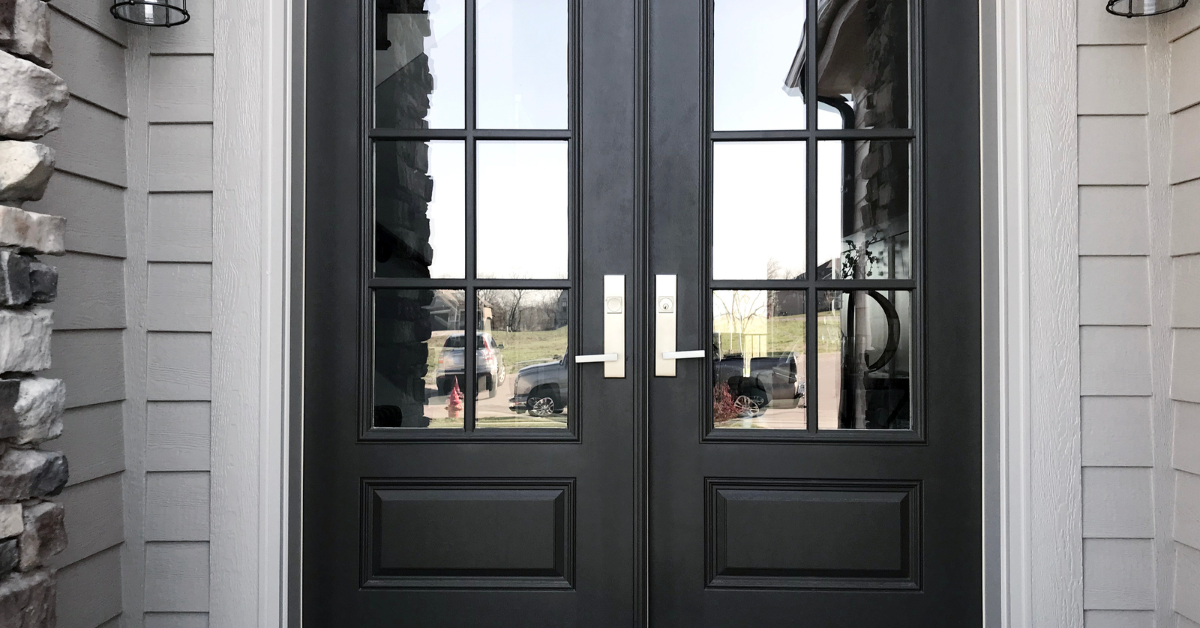

The entrance to your home is more than a passageway — it’s a barrier against the elements, a reflection of your style, and a critical component of energy efficiency. Among the various door options available today, insulated exterior doors stand out as a smart investment for homeowners seeking long-term comfort, lower energy costs, and superior durability.
This comprehensive guide explains how insulated doors work, their advantages, design options, materials, and key factors to consider before purchasing. Whether you live in a cold or variable climate, understanding how these doors enhance both performance and aesthetics can help you make the best choice for your home.
What Are Insulated Exterior Doors?
Insulated exterior doors are engineered with internal materials that minimize heat transfer between indoor and outdoor environments. Unlike standard solid wood or hollow-core doors, these doors typically feature a core made of foam insulation (such as polyurethane or polystyrene) encased within strong outer materials like steel, fiberglass, or composite wood.
The result? A door that keeps your home warmer in winter, cooler in summer, and quieter all year long.
How Insulated Doors Work
The insulation layer acts as a thermal barrier by slowing down the flow of heat through the door. This is measured using two key metrics:
- R-Value: Indicates thermal resistance — higher values mean better insulation.
- U-Factor: Measures heat transfer — lower numbers mean higher energy efficiency.
Most high-quality insulated doors have R-values between R-5 and R-8, making them up to five times more efficient than traditional wooden doors.
Core Types in Insulated Doors
| Core Material | Description | Benefits | Best Suited For |
|---|---|---|---|
| Polyurethane Foam | Dense, closed-cell foam | Excellent insulation; high R-value | Cold or mixed climates |
| Polystyrene Foam | Rigid foam panel | Lightweight; moisture-resistant | Moderate climates |
| Honeycomb Core | Structured cardboard or composite grid | Cost-effective; soundproofing | Mild climates or interior applications |
Polyurethane is considered the best choice for exterior applications due to its superior insulation performance and moisture resistance.
Benefits of Insulated Exterior Doors
1. Superior Energy Efficiency
By minimizing drafts and thermal leaks, insulated doors reduce heating and cooling costs significantly — often by 10–20% annually, depending on your climate.
2. Enhanced Comfort
These doors maintain consistent indoor temperatures, eliminating cold spots near entryways during winter and preventing heat buildup in summer.
3. Soundproofing Performance
Insulated cores also absorb sound, making them ideal for homes near busy streets or urban areas.
4. Increased Durability
Insulated doors are resistant to warping, cracking, and moisture damage — common problems with solid wood doors.
5. Eco-Friendly Construction
Many insulated models use sustainable materials and energy-efficient designs that reduce your carbon footprint.
6. Improved Curb Appeal
Insulated doors come in a wide range of styles, colors, and finishes, enhancing your home’s exterior aesthetic.
Materials Used in Insulated Exterior Doors
| Material | Insulation Compatibility | Maintenance Level | Notable Advantages |
|---|---|---|---|
| Steel | Excellent | Low | Strong, secure, and weather-resistant |
| Fiberglass | Excellent | Very Low | Mimics wood; great for harsh climates |
| Wood-Clad | Moderate | Medium | Traditional look with some insulation |
| Composite | High | Low | Combines strength, insulation, and style |
Among these, fiberglass and steel are the most common for high-performance insulated doors because they provide superior protection against both temperature extremes and impact damage.
Comparing Insulated vs. Non-Insulated Doors
| Feature | Insulated Door | Non-Insulated Door |
|---|---|---|
| Energy Efficiency | High (R-5 to R-8) | Low (R-1 to R-2) |
| Durability | Resistant to warping and cracking | Prone to moisture damage |
| Noise Reduction | Excellent | Minimal |
| Maintenance | Low | Moderate to high |
| Cost | Higher initial, lower long-term | Lower initial, higher energy cost |
| Comfort Level | Stable indoor temperature | Drafts and heat loss |
While insulated doors cost more upfront, they pay for themselves through energy savings and longevity.
Ideal Applications for Insulated Exterior Doors
- Front Entry Doors: Enhance energy efficiency while creating a grand first impression.
- Backyard or Patio Entrances: Keep conditioned air indoors, especially with glass or sliding doors.
- Garage-to-Home Doors: Maintain separation between heated and unheated areas.
- Basement Exits: Prevent heat loss from lower-level access points.

Design and Style Options
Insulated doors no longer sacrifice style for performance. Manufacturers offer endless customization options to match your home’s character.
Panel Styles
- Classic 6-panel or 4-panel doors
- Modern flush or smooth designs
- Craftsman-style recessed panels
Glass Inserts
Adding glass does not mean compromising efficiency — modern insulated glass units (IGUs) feature:
- Double or triple-pane glass
- Low-E coatings
- Argon or krypton gas fills
- Warm-edge spacers
Finishes and Colors
Choose from painted, stained, or wood-grain finishes in neutral, bold, or metallic hues.
Decorative Hardware
Complement your door with designer handles, knockers, or smart locks for both security and style.
Weatherproofing Features to Look For
High-quality insulated exterior doors often include:
- Magnetic or compression seals for airtight closure
- Adjustable thresholds to block drafts
- Thermally broken frames to prevent heat transfer
- Drip caps and sill systems for water protection
These elements ensure your door performs well in all weather conditions — from heavy rain to freezing snow.
Energy Ratings and Certifications
Before purchasing, check for trusted certifications:
- ENERGY STAR® Certified: Verified for energy savings and climate suitability.
- NFRC (National Fenestration Rating Council): Provides accurate R-values and U-factors.
- Door Manufacturer Warranty: Often includes insulation performance guarantees for up to 20 years.
These standards ensure long-term performance and compliance with building codes.
Installation Considerations
Proper installation is as important as the door itself. Even the best-insulated model will underperform if gaps or misalignments exist.
Key Tips:
- Inspect the rough opening for square and level alignment.
- Use expanding foam insulation around the frame perimeter.
- Seal the threshold and jambs against air and moisture leaks.
- Consider professional installation to maintain the warranty and ensure airtight fitting.
A correctly installed insulated door can increase energy savings by an additional 5–10%.
Maintenance and Longevity
These doors are designed for minimal upkeep. Follow these tips for optimal performance:
- Clean surfaces with mild soap and water twice yearly.
- Check weatherstripping and replace if worn.
- Inspect seals and hinges annually.
- Touch up paint or protective coatings as needed.
- Lubricate locks and handles for smooth operation.
With routine care, a quality insulated exterior door can last 25–30 years or more.
Cost Overview
| Door Type | Average Price Range | Lifespan | Energy Savings Potential |
|---|---|---|---|
| Steel Insulated Door | $800–$2,000 | 25–30 years | Up to 20% |
| Fiberglass Insulated Door | $1,000–$2,500 | 30+ years | Up to 25% |
| Wood-Clad Door with Insulation | $1,500–$3,000 | 20–25 years | Up to 15% |
The higher upfront cost is offset by reduced energy bills and minimal maintenance over time.
Common Mistakes to Avoid
- Ignoring door frame insulation — heat can escape around uninsulated jambs.
- Choosing a door without thermal breaks — reduces efficiency.
- Installing glass inserts without Low-E coatings — increases heat loss.
- Skipping professional installation — may void warranties and reduce performance.
Avoiding these errors ensures you get full value from your investment.
FAQs About Insulated Exterior Doors
1. Do insulated doors really make a difference?
Yes. They dramatically reduce heat loss, improve comfort, and lower utility bills — particularly in cold or mixed climates.
2. Can they be painted or stained?
Fiberglass and steel doors can be customized with high-quality exterior paints or stains.
3. Are insulated doors soundproof?
While not completely soundproof, they significantly reduce outside noise compared to hollow-core doors.
4. How long do insulated doors last?
Typically 25 years or more with proper maintenance.
5. Are insulated doors worth the cost?
Absolutely. They combine lower energy bills, better comfort, and lasting value — a true long-term investment.
Final Thoughts
Choosing insulated exterior doors is one of the most effective ways to enhance your home’s energy performance and comfort while maintaining a stylish appearance. These doors combine modern engineering with timeless design, offering durability, security, and exceptional thermal efficiency.
To explore premium options specifically designed for cold climates, visit insulated exterior doors and discover models that balance strength, energy savings, and architectural beauty — built to protect your home in every season.