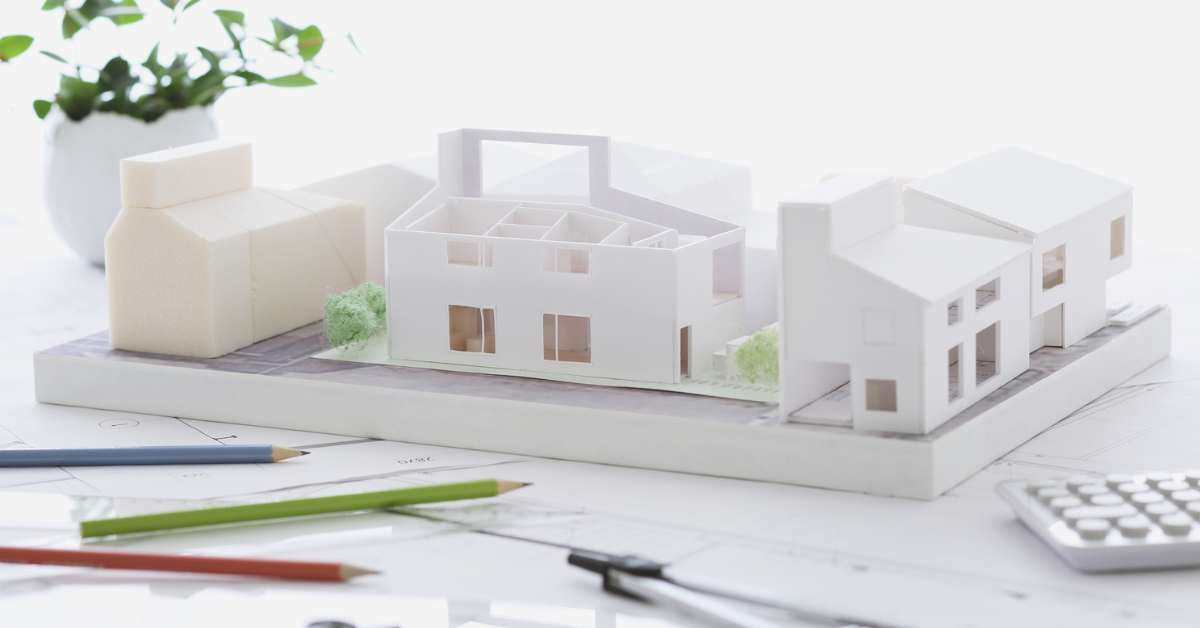

How SketchUp 3D Models Elevate Architectural and Interior Design Projects
In the fast-paced world of digital design, Sketchup 3d models have become an essential asset for architects, interior designers, landscape planners, and visualization experts. These pre-built SKP files allow professionals to streamline workflows, enhance realism, and focus on creative problem-solving instead of repetitive modeling tasks. Whether developing residential layouts or commercial complexes, access to optimized 3D assets dramatically improves efficiency and presentation quality.
SketchUp’s simplicity and flexibility make it one of the most widely used 3D modeling platforms globally. However, its true strength lies in the availability of structured and ready-to-use models that integrate seamlessly into professional projects. When properly selected and optimized, these assets significantly enhance design accuracy and speed.
The Importance of High-Quality SketchUp 3D Models
Not all downloadable models meet professional standards. High-quality Sketchup 3d models are designed with clean geometry, proper scaling, and organized components. These characteristics ensure smooth performance even in complex scenes.
Key benefits of well-optimized models include:
- Reduced modeling time
- Improved software performance
- Better rendering compatibility
- Accurate real-world proportions
- Organized layer management
Using structured models prevents lag, minimizes rendering errors, and ensures that projects remain manageable even as complexity increases.
Why Designers Rely on Pre-Built 3D Models
Design professionals often work under tight deadlines and client-driven revisions. Building every object from scratch is not always practical. Sketchup 3d models allow teams to quickly populate environments with realistic elements such as furniture, lighting fixtures, structural components, and landscaping details.
Accelerating Concept Development
During early project stages, rapid iteration is critical. Pre-built models allow designers to test multiple design variations efficiently. They can:
- Adjust layouts quickly
- Experiment with furniture arrangements
- Compare façade alternatives
- Modify outdoor elements
This flexibility enhances collaboration and speeds up decision-making processes.
Improving Client Presentations
Clients respond more positively to detailed and realistic visualizations. Incorporating accurate Sketchup 3d models creates immersive presentations that communicate scale, material intent, and spatial flow effectively. Realistic renderings reduce misunderstandings and increase approval rates.
Types of SketchUp 3D Models Commonly Used
A comprehensive model library typically includes various categories to support different design disciplines.
Furniture and Interior Assets
Interior designers frequently use models of sofas, beds, cabinets, dining tables, and lighting fixtures. Properly scaled assets ensure accurate spatial planning and realistic room compositions.
Architectural Components
Doors, windows, staircases, columns, railings, and façade systems are vital for architectural projects. These elements help designers refine structural details without investing excessive modeling time.
Landscape and Outdoor Elements
Trees, shrubs, benches, pathways, and streetlights are essential for exterior visualizations. Optimized models prevent heavy file sizes while maintaining visual richness.
Commercial and Office Fixtures
Retail shelving, office desks, conference tables, and equipment models support workplace and commercial space design.
Evaluating the Quality of SketchUp 3D Models
Before integrating any asset into a project, professionals should assess its structure and performance compatibility.
| Evaluation Criteria | Importance |
|---|---|
| Clean Geometry | Prevents lag and modeling issues |
| Optimized Polygon Count | Maintains scene performance |
| Correct Scaling | Ensures realistic dimensions |
| Organized Tags | Simplifies editing and adjustments |
| Compatible Materials | Supports advanced rendering |
Careful evaluation protects workflow efficiency and enhances project stability.
Where to Access Reliable SketchUp 3D Models
Finding dependable sources is crucial for maintaining professional standards. Designers seeking structured and performance-friendly libraries can explore curated platforms offering optimized Sketchup 3d models tailored for real-world workflows. Accessing organized collections such as Sketchup 3d models ensures compatibility, clean grouping, and properly scaled assets.
Reliable platforms categorize models systematically, allowing users to locate specific components quickly and integrate them without technical complications.
Best Practices for Using SketchUp 3D Models
Even high-quality models require proper management to maximize efficiency.
Use Components Instead of Groups
Repeated elements should function as components. This reduces file size and enables synchronized edits across instances.
Purge Unused Elements
Imported files may contain unnecessary materials or layers. Removing unused data keeps projects lightweight.
Manage Texture Resolution
Large textures can slow down rendering. Resize or compress images based on project needs to maintain balance between quality and performance.
Maintain Organized Tag Systems
Assign tags logically for furniture, lighting, structural elements, and landscaping. Organized files are easier to modify and collaborate on.
Enhancing Rendering with Optimized Models
SketchUp is frequently paired with rendering engines such as V-Ray, Enscape, and Lumion. The structure of Sketchup 3d models directly influences rendering results. Clean geometry ensures accurate light behavior, shadow quality, and reflection mapping.
Benefits of optimized models in rendering workflows include:
- Faster rendering times
- Improved material realism
- Reduced shading artifacts
- Better light interaction
Properly structured assets enhance final outputs suitable for client presentations and marketing campaigns.
Advantages for Interior Designers and Architects
Interior designers benefit from ready-to-use assets that help them test layout variations quickly. Architects use structured models to refine building compositions and present detailed façade concepts. By sourcing assets from professional platforms like Sketchup 3d models, design teams maintain consistency and high visual standards across multiple projects.
Shared libraries within studios improve collaboration and reduce duplication of effort. Consistent model usage ensures uniform detailing and professional presentation quality.
Common Mistakes to Avoid
While Sketchup 3d models enhance efficiency, improper usage can cause setbacks. Avoid these common errors:
- Importing models without checking scale
- Overloading scenes with excessive detail
- Ignoring geometry cleanup
- Keeping unused materials and tags
- Using overly complex assets in early design stages
Awareness of these pitfalls ensures stable performance and organized workflows.
Building a Long-Term Model Library
Experienced designers gradually create personalized libraries of trusted SketchUp assets. Maintaining a structured archive categorized by project type improves efficiency over time.
A strong internal library supports:
- Faster project startup
- Consistent detailing standards
- Improved collaboration
- Reduced modeling redundancy
Strategic asset management transforms Sketchup 3d models into long-term productivity tools rather than one-time resources.
The Future of SketchUp 3D Modeling
As design technology evolves, real-time rendering, cloud collaboration, and AI-driven modeling are reshaping professional workflows. Despite these advancements, structured and optimized Sketchup 3d models will remain fundamental to efficient project development.
Ready-made assets empower designers to concentrate on innovation, spatial planning, and material refinement. By integrating high-quality models thoughtfully and maintaining organized workflows, professionals can consistently deliver visually compelling, technically sound, and client-ready design solutions that stand out in a competitive market.